


Construction sites are among the most hazardous work environments, with workers facing risks from falling objects, electrical hazards, chemical exposure, and equipment accidents. According to OSHA statistics, construction accounts for nearly 20% of all workplace fatalities despite representing only 5% of the workforce. This makes professional safety equipment not just a regulatory requirement, but a critical investment in worker protection and project success.
Understanding OSHA Safety Requirements for Construction Sites
The Occupational Safety and Health Administration (OSHA) mandates specific personal protective equipment (PPE) requirements for construction workers. These regulations aren’t suggestions—they’re legal requirements that can result in significant fines and work stoppages if not followed.
Primary OSHA PPE Requirements Include:
- Head Protection: Hard hats meeting ANSI Z89.1 standards
- Eye and Face Protection: Safety glasses, goggles, and face shields
- Respiratory Protection: Dust masks, respirators, and breathing apparatus
- Hearing Protection: Earplugs and earmuffs for noise levels above 85 decibels
- Hand Protection: Cut-resistant gloves and chemical-resistant gloves
- Foot Protection: Steel-toe boots and slip-resistant footwear
- Fall Protection: Harnesses, lanyards, and safety nets for work above 6 feet
Essential Safety Equipment Categories Every Professional Needs
1. Head Protection: Beyond Basic Hard Hats
Modern construction hard hats have evolved significantly beyond basic impact protection. Today’s professional-grade head protection from brands like Pyramex incorporates:
Class G (General) Hard Hats: Provide impact protection and electrical protection up to 2,200 volts. Ideal for most construction applications where electrical hazards exist.
Class E (Electrical) Hard Hats: Offer higher electrical protection up to 20,000 volts, essential for electrical contractors and utility workers.
Class C (Conductive) Hard Hats: Lightweight options for environments where electrical hazards aren’t present but impact protection is crucial.
Key Features to Look For:
- Suspension systems that distribute impact force
- Ventilation channels for comfort during long work shifts
- Accessory slots for headlamps and ear protection
- UV-resistant materials that won’t degrade in sunlight
2. Hand Protection: The Critical Role of Cut-Resistant Gloves
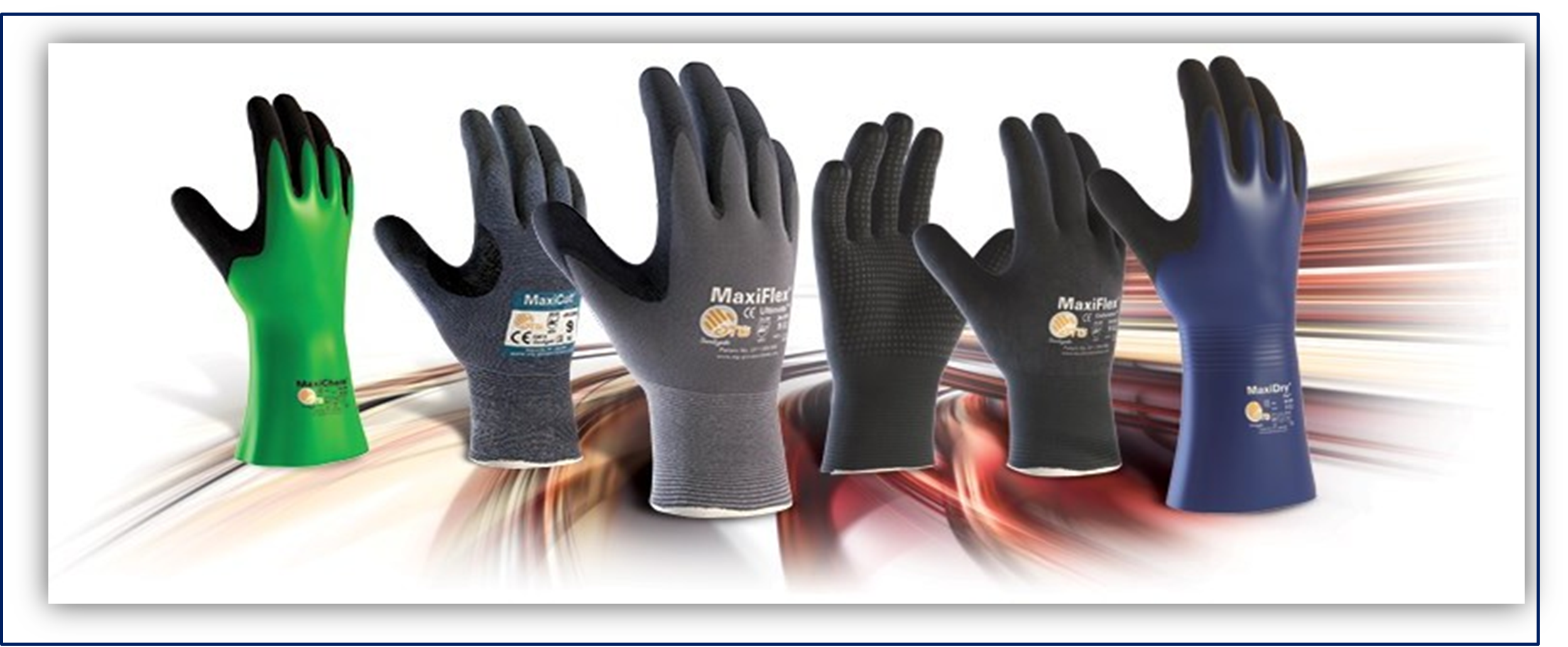
Hands are involved in approximately 25% of all workplace injuries, making professional work gloves one of the most important safety investments. ATG Maxiflex gloves represent the gold standard in hand protection, offering:
ANSI Cut Level Ratings Explained:
- Level A1: Light cut protection for minimal hazards
- Level A2-A3: Moderate protection for general construction work
- Level A4-A5: High protection for sharp materials handling
- Level A6-A9: Maximum protection for extreme cut hazards
Grip Technology Advances: Modern cut-resistant gloves incorporate advanced grip technologies that maintain dexterity while providing protection:
- Micro-foam nitrile coatings for wet and dry grip
- Palm and fingertip reinforcement in high-wear areas
- Seamless knit construction to prevent pressure points
- Touchscreen-compatible fingertips for modern device use
3. Eye Protection: Comprehensive Vision Safety Solutions
Construction workers face multiple eye hazards including flying particles, chemical splashes, and intense UV radiation. Professional safety glasses must address all these concerns:
Impact Protection Standards:
- ANSI Z87.1+: High-impact protection for construction environments
- Wraparound designs: Provide side protection from flying debris
- Anti-fog coatings: Maintain clear vision in varying temperatures
- UV protection: Essential for outdoor construction work
Prescription Safety Glasses Options: Many workers require vision correction, making prescription safety glasses essential. Look for:
- Insert options that fit behind safety glasses
- Prescription safety glasses that meet ANSI standards
- Progressive lens options for workers over 40
4. Respiratory Protection: Safeguarding Against Airborne Hazards
Construction sites expose workers to various airborne contaminants including silica dust, asbestos, chemical vapors, and biological hazards. Professional respiratory protection requires careful selection based on specific hazards:
Disposable Respirators (N95, P100):
- N95: Filters 95% of airborne particles, suitable for non-oil based particles
- P100: Filters 99.97% of particles, including oil-based contaminants
- Proper fit testing ensures maximum protection effectiveness
Half-Face and Full-Face Respirators: For higher protection levels, elastomeric respirators offer:
- Replaceable filter cartridges for different contaminant types
- Better face seal than disposable options
- Economic benefits for long-term use
- Communication compatibility for team coordination
Professional-Grade Safety Equipment: Why Quality Matters
The Hidden Costs of Inferior Safety Equipment
While budget safety equipment might seem cost-effective initially, professional contractors understand that premium safety equipment provides superior value through:
Durability and Longevity: Professional-grade equipment from authorized dealers like Procore lasts significantly longer than budget alternatives. Bosch Professional tools exemplify this principle—their robust construction means fewer replacements and reduced downtime.
Compliance Assurance: Genuine equipment from authorized dealers ensures OSHA compliance and reduces liability risks. Non-compliant equipment can result in:
- OSHA citations and fines
- Work stoppages and project delays
- Increased insurance premiums
- Legal liability in case of accidents
Worker Comfort and Acceptance: Comfortable safety equipment gets worn consistently. Premium brands invest heavily in ergonomic design, ensuring workers actually use the protection provided.
The Importance of Authorized Dealers
Working with authorized safety equipment dealers like Procore provides several critical advantages:
Product Authenticity Guarantee: Counterfeit safety equipment is a growing problem in the construction industry. Authorized dealers guarantee genuine products that meet stated safety standards.
Technical Support and Training: Professional dealers provide equipment selection guidance, proper fitting services, and usage training—crucial for maximizing protection effectiveness.
After-Sales Support: Authorized dealers offer warranty service, replacement parts, and technical support throughout the equipment lifecycle.
Industry-Specific Safety Equipment Requirements
Electrical Contractors: Specialized Protection Needs
Electrical work presents unique hazards requiring specialized electrical safety equipment:
- Arc-rated clothing for protection against arc flash incidents
- Insulated tools to prevent electrical shock
- Voltage detectors and lockout/tagout equipment
- Dielectric footwear providing electrical insulation
Heavy Construction: Enhanced Protection Standards
Large construction projects require enhanced safety measures:
- High-visibility clothing for equipment operation areas
- Fall protection systems for elevated work
- Hearing protection for high-noise environments
- Emergency communication systems for large sites
Confined Space Work: Specialized Safety Protocols
Confined space entry requires comprehensive safety systems:
- Multi-gas detectors for atmospheric monitoring
- Retrieval systems for emergency extraction
- Communication equipment for continuous contact
- Emergency rescue equipment and procedures
Implementing a Comprehensive Safety Program
Safety Equipment Selection Criteria
Professional contractors should evaluate safety equipment based on:
Hazard Assessment:
- Identify all potential workplace hazards
- Evaluate risk levels for different work areas
- Consider seasonal and project-specific variations
- Review accident history and near-miss reports
Comfort and Usability:
- Equipment that’s uncomfortable won’t be used consistently
- Consider climate conditions and work duration
- Evaluate compatibility with other required equipment
- Test equipment with actual workers before bulk purchases
Cost-Effectiveness:
- Consider total lifecycle costs, not just initial price
- Evaluate durability and replacement frequency
- Factor in training and maintenance requirements
- Consider productivity impacts of equipment choices
Training and Compliance Programs
Effective safety programs require more than just equipment provision:
Initial Training:
- Proper equipment selection for specific tasks
- Correct wearing and adjustment procedures
- Inspection and maintenance requirements
- Recognition of equipment limitations
Ongoing Education:
- Regular safety meetings and updates
- New equipment introduction and training
- Accident analysis and prevention strategies
- Regulatory update communication
Documentation and Compliance:
- Equipment inspection logs and maintenance records
- Training documentation and certification tracking
- Incident reporting and analysis procedures
- Regulatory compliance auditing and verification
Technology Integration in Modern Safety Equipment
Smart Safety Equipment Features
Modern professional safety equipment increasingly incorporates technology:
Wearable Sensors:
- Impact detection in hard hats and harnesses
- Environmental monitoring integration
- Worker location tracking for emergency response
- Fatigue and heat stress monitoring
Connected Systems:
- Real-time safety compliance monitoring
- Automated incident reporting and response
- Predictive maintenance for safety equipment
- Integration with project management systems
Future Trends in Construction Safety
The construction safety industry continues evolving with technological advances:
Augmented Reality Integration:
- Safety procedure overlay and guidance
- Hazard identification and warning systems
- Training simulation and assessment tools
- Real-time equipment status displays
AI-Powered Safety Analysis:
- Pattern recognition for accident prevention
- Predictive analytics for safety planning
- Automated compliance monitoring and reporting
- Personalized safety recommendations
Maintenance and Care of Safety Equipment
Inspection Protocols
Regular safety equipment inspection ensures continued protection:
Daily Inspections:
- Visual examination before each use
- Function testing of moving parts
- Cleanliness and contamination assessment
- Damage evaluation and replacement decisions
Periodic Detailed Inspections:
- Comprehensive examination by trained personnel
- Measurement and testing of protection levels
- Documentation of inspection results
- Replacement scheduling based on wear patterns
Proper Storage and Handling
Extending equipment life through proper care:
Environmental Protection:
- Temperature and humidity control
- Protection from UV radiation and chemicals
- Proper ventilation to prevent contamination
- Secure storage to prevent damage
Cleaning and Maintenance:
- Manufacturer-approved cleaning procedures
- Replacement of consumable components
- Lubrication and adjustment as required
- Professional servicing for complex equipment
Cost-Benefit Analysis of Professional Safety Equipment
Direct Cost Considerations
Equipment Acquisition Costs:
- Initial purchase price comparison
- Volume discount opportunities
- Financing and leasing options
- Budget planning for equipment lifecycle
Operational Cost Factors:
- Maintenance and replacement frequency
- Training and implementation expenses
- Compliance and certification costs
- Insurance premium impacts
Hidden Benefits of Quality Safety Investment
Productivity Improvements:
- Reduced accident-related downtime
- Improved worker confidence and morale
- Enhanced project reputation and client relationships
- Reduced insurance and legal costs
Long-Term Financial Benefits:
- Lower workers’ compensation premiums
- Reduced OSHA citation and fine risks
- Enhanced company reputation and competitive advantage
- Improved employee retention and recruitment
Conclusion: Investing in Professional Safety Excellence
Professional construction safety extends far beyond regulatory compliance—it represents a commitment to worker welfare, project success, and business sustainability. Quality safety equipment from trusted brands like Pyramex, ATG Maxiflex, and other professional-grade manufacturers provides the foundation for effective safety programs.
Working with authorized dealers like ProCore ensures access to genuine equipment, expert guidance, and comprehensive support throughout the equipment lifecycle. This partnership approach to safety equipment procurement maximizes protection effectiveness while optimizing cost-efficiency.
As construction technology continues advancing, safety equipment evolves to meet new challenges and opportunities. Professional contractors who invest in quality safety solutions today position themselves for continued success in an increasingly safety-conscious industry.
The message is clear: when it comes to worker safety, there’s no substitute for professional-grade equipment, expert guidance, and unwavering commitment to protection excellence. Your workers’ safety—and your business success—depend on making the right choices today.
For expert guidance on selecting the right safety equipment for your specific applications, contact Procore’s safety specialists. Our team of certified professionals can help you develop comprehensive safety solutions that protect your workers while optimizing your safety equipment investment.
Keywords targeted: professional safety equipment, construction safety, OSHA compliance, cut-resistant gloves, safety glasses, hard hats, PPE, workplace safety, authorized dealer, professional work gloves
